
Introduction
In the rapidly evolving landscape of industrial construction, the demand for efficient, durable, and adaptable building solutions is at an all-time high. Companies across various sectors are seeking innovative ways to optimize their operations while minimizing construction costs and timelines. Lida Group, a leader in the steel structure industry, has emerged as a pioneering force in providing state-of-the-art steel structure buildings tailored for industrial use. This article delves into Lida Group’s innovative approach, the advantages of steel structures, key projects, and the future of industrial construction.
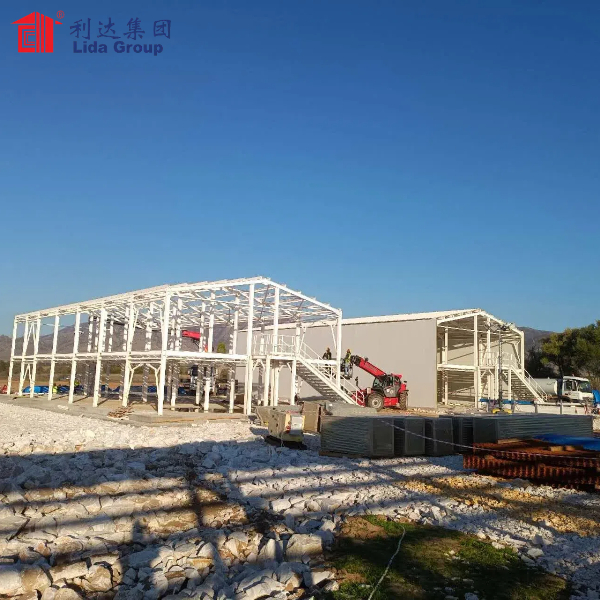
Understanding the Industrial Construction Landscape
The Role of Industrial Buildings
Industrial buildings serve as the backbone of manufacturing, logistics, and assembly operations. These structures include factories, warehouses, distribution centers, and research facilities. Their design and construction directly impact operational efficiency, safety, and scalability. As industries evolve, the need for versatile and robust buildings becomes increasingly critical.
Key Challenges in Industrial Construction
Several challenges face the industrial construction sector:
- Time Constraints: With growing competition, companies need to complete projects faster to start operations and generate revenue.
- Cost Management: Rising material costs and labor shortages can significantly impact budgets.
- Sustainability: Increasing regulatory pressures and consumer expectations require businesses to adopt environmentally friendly practices.
- Flexibility: As markets change, businesses often need to adapt their facilities to new technologies and processes.
The Advantages of Steel Structure Buildings
Lida Group specializes in steel structure buildings, which offer numerous advantages over traditional construction methods:
1. Strength and Durability
Steel is renowned for its exceptional strength-to-weight ratio, making it ideal for industrial buildings:
- Load-Bearing Capacity: Steel structures can support heavy equipment and large volumes of materials, ensuring safety and stability.
- Longevity: Steel is resistant to many environmental factors, such as pests, rot, and extreme weather conditions, resulting in a longer lifespan and lower maintenance requirements.
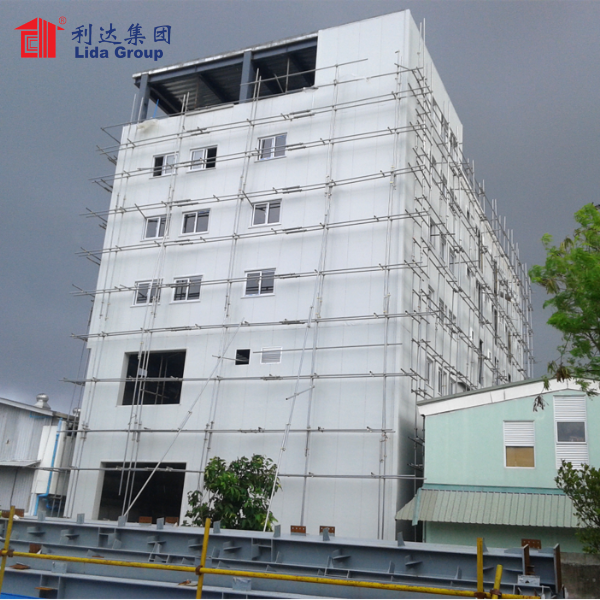
2. Cost-Effectiveness
The economic benefits of steel structures are significant:
- Reduced Construction Time: Prefabricated steel components can be manufactured off-site and assembled quickly, minimizing labor costs and project timelines. This rapid construction is crucial for businesses eager to commence operations.
- Lower Maintenance Costs: The durability of steel translates to fewer repairs and maintenance activities, resulting in long-term savings.
3. Design Flexibility
Steel structures offer unparalleled design flexibility:
- Modular Construction: Steel components can be easily prefabricated in various configurations, allowing for modular designs that can adapt to changing operational needs.
- Open Floor Plans: The strength of steel allows for large, unobstructed spaces without the need for intrusive support columns, maximizing usable space for production or storage.
4. Sustainability
Sustainability is a growing concern in construction, and steel structures align well with these goals:
- Recyclability: Steel is 100% recyclable, significantly reducing waste and environmental impact. At the end of its life cycle, steel can be repurposed without losing its structural integrity.
- Energy Efficiency: Steel structures can be designed with energy-efficient systems, such as proper insulation and optimized HVAC systems, leading to lower energy consumption and reduced operational costs.
5. Safety and Fire Resistance
Safety is a top priority in industrial construction:
- Fire Resistance: Steel is inherently fire-resistant, providing added safety for both the structure and its contents. This characteristic is crucial for facilities that store flammable materials.
- Structural Integrity: Steel buildings are engineered to withstand extreme weather conditions, including high winds and seismic activity, ensuring the safety of occupants and protecting valuable assets.
Lida Group’s Commitment to Quality
Company Overview
Founded in the early 2000s, Lida Group has quickly established itself as a leader in the steel structure industry. Specializing in the design and manufacture of prefabricated steel buildings, Lida Group has successfully completed projects across various sectors, including manufacturing, logistics, agriculture, and commercial spaces.
Innovative Design and Engineering
Lida Group prides itself on its innovative design and engineering capabilities:
- Client-Centric Approach: The company engages in thorough consultations with clients to understand their operational needs, ensuring that each project is tailored to meet specific requirements.
- Advanced Technology: Utilizing cutting-edge design software and engineering techniques, Lida Group creates efficient and effective building solutions that optimize space and functionality.
Quality Control and Assurance
Lida Group places a strong emphasis on quality control throughout the construction process:
- ISO Certification: The company adheres to strict international standards and is ISO certified, ensuring that all products meet high-quality specifications.
- Rigorous Testing: All materials and structures undergo rigorous testing to ensure they meet safety and performance standards, providing clients with peace of mind.
Key Projects by Lida Group
Case Study 1: Manufacturing Facility
Background
A leading manufacturer of automotive components sought to expand its operations by constructing a new facility. The company required a building that could accommodate heavy machinery and support a high level of productivity.
Implementation
Lida Group designed and constructed a steel structure facility featuring:
- High Load-Bearing Capacity: The building was engineered to support heavy machinery and equipment, ensuring operational efficiency.
- Flexible Layout: The open floor plan allowed for easy reconfiguration of workspaces, enabling the company to adapt to changing production demands.
Results
- Increased Production Efficiency: The new facility significantly improved production capabilities, allowing the company to meet growing customer demands.
- Lower Operational Costs: The durability and low maintenance requirements of the steel structure resulted in long-term savings for the company.
Case Study 2: Distribution Center
Background
A national retail chain required a new distribution center to streamline its supply chain operations. The facility needed to accommodate a large volume of inventory while ensuring efficient order fulfillment.
Implementation
Lida Group provided a customized steel structure distribution center designed with:
- Automated Systems: The facility was equipped with automated sorting and picking systems, enhancing operational efficiency.
- Energy-Efficient Features: Advanced insulation and energy-efficient lighting systems were incorporated to reduce energy consumption.
Results
- Enhanced Efficiency: The new distribution center improved order processing times, enabling the retailer to respond quickly to market demands.
- Sustainability Goals Achieved: The energy-efficient design helped the company reduce its carbon footprint, aligning with its sustainability objectives.
Case Study 3: Agricultural Storage Facility
Background
A large agricultural producer needed a storage facility to house grains and other agricultural products. The building had to be durable and capable of maintaining optimal storage conditions.
Implementation
Lida Group designed a steel structure storage facility that included:
- Climate Control Systems: The building was equipped with systems to regulate temperature and humidity, ensuring the quality of stored products.
- Large Open Spaces: The design allowed for flexible storage configurations, accommodating various types of agricultural products.
Results
- Improved Storage Conditions: The facility maintained optimal conditions for stored goods, reducing spoilage and waste.
- Increased Storage Capacity: The durable design provided ample space for expanded operations, supporting the company’s growth.
The Economic Impact of Steel Structure Buildings
1. Cost Savings for Businesses
Investing in steel structure buildings can yield substantial cost savings:
- Lower Initial Investment: The rapid construction and reduced labor costs associated with steel structures result in lower initial investments, allowing businesses to reinvest in other areas.
- Long-Term Operational Savings: The durability and low maintenance requirements of steel structures decrease long-term operational costs, providing a strong return on investment.
2. Increased Productivity
Steel structure buildings can enhance productivity:
- Efficient Layouts: Thoughtfully designed spaces minimize movement and streamline operations, allowing workers to focus on their tasks without unnecessary distractions.
- Improved Workflow: Open layouts and modular designs facilitate better organization and faster access to materials and equipment, enhancing overall efficiency.
3. Flexibility for Future Growth
Steel structure buildings offer businesses the flexibility to adapt to changing needs:
- Scalability: As companies grow, steel structures can be easily expanded or reconfigured to accommodate new requirements, ensuring that the facility remains relevant and functional.
- Adaptable Designs: Businesses can modify layouts and features to suit evolving operational processes, allowing them to stay competitive in a dynamic market.
Sustainability in Steel Structure Construction
1. Environmental Considerations
The construction industry is increasingly focused on sustainability, and Lida Group’s steel structures align with these goals:
- Sustainable Materials: Steel is sourced from recycled materials, reducing the environmental impact of production and contributing to sustainable construction practices.
- Energy Efficiency: Designing buildings with energy-efficient systems and insulation minimizes energy consumption and costs, aligning with modern sustainability goals.
2. Long-Term Sustainability Benefits
Investing in sustainable building design provides long-term benefits for businesses:
- Regulatory Compliance: As environmental regulations become stricter, sustainable designs help businesses comply with laws and standards, avoiding potential fines and penalties.
- Enhanced Brand Reputation: Companies that prioritize sustainability often enjoy a better reputation, attracting environmentally-conscious customers and partners.
The Future of Steel Structure Buildings
1. Technological Advancements
The future of industrial construction will increasingly incorporate technological advancements:
- Smart Buildings: The integration of IoT devices and automation will enhance energy management, safety, and operational efficiency. Smart buildings can monitor energy usage in real-time and optimize systems for better performance.
- Data-Driven Design: Utilizing data analytics to inform design decisions will lead to more effective building layouts and features, optimizing productivity and efficiency.
2. Continued Innovation in Steel Structures
Lida Group is committed to continuing its innovation in steel structure design:
- Research and Development: Investing in R&D to explore new materials and construction techniques will keep Lida Group at the forefront of the industry, enabling the company to offer cutting-edge solutions.
- Customization Options: Expanding customization options to meet the unique needs of various industries will further enhance Lida Group’s offerings, ensuring that each project is tailored to specific requirements.
3. Global Expansion
As demand for efficient industrial building solutions grows globally, Lida Group aims to expand its reach:
- Emerging Markets: Targeting emerging markets will provide opportunities for growth and the introduction of innovative building designs that cater to local needs.
- Partnerships and Collaborations: Forming strategic partnerships with local firms will facilitate entry into new markets and enhance project delivery, ensuring that Lida Group remains a leader in the steel structure industry.
Conclusion
Lida Group stands at the forefront of industrial construction, pioneering innovative steel structure buildings that meet the diverse needs of modern businesses. With a commitment to quality, sustainability, and customer satisfaction, the company is redefining the landscape of industrial construction.
Investing in steel structure buildings is not just a strategic decision for immediate operational needs; it is a long-term investment in efficiency, durability, and growth. As industries continue to evolve, the importance of adaptable and robust building solutions will only increase.
Through its dedication to excellence and innovation, Lida Group is shaping the future of industrial construction, one steel structure at a time. With a focus on customer-centric solutions and sustainable practices, Lida Group is poised to lead the way in creating the industrial facilities of tomorrow.
Contact Us
Post time: Nov-26-2024